Leave a Message
We will call you back soon!
Your message must be between 20-3,000 characters!
Please check your E-mail!
More information facilitates better communication.
Submitted successfully!
We will call you back soon!
Leave a Message
We will call you back soon!
Your message must be between 20-3,000 characters!
Please check your E-mail!
| Place of Origin: | China |
|---|---|
| Brand Name: | Wanshida |
| Certification: | CE, ISO9001 |
| Model Number: | Q43-2500 |
| Minimum Order Quantity: | 1 set |
| Price: | Contact us |
| Packaging Details: | Seaworthy packing |
| Delivery Time: | 25-35 days |
| Payment Terms: | T/T,L/C,Western Union |
| Supply Ability: | Depend on customer demand. 25 pices/months |
| Motor Power: | 2*15kw About 30KW | Stroke Of Cut Cylinder: | 210mm |
|---|---|---|---|
| Blade Length: | 1000 Mm | Largest Holding Force(ton): | 80KN |
| Table Height: | 740mm | Max Cutting Material: | 70*70mm / ⌀ 80 Diameter |
| Automation: | Automatic Plc Control And Remote Control | Shearing Force: | 250 Tons |
| Highlight: | Semi-Automatic horizontal baling press,Fully Automatic horizontal baling press,horizontal baling press machine Automatic |
||
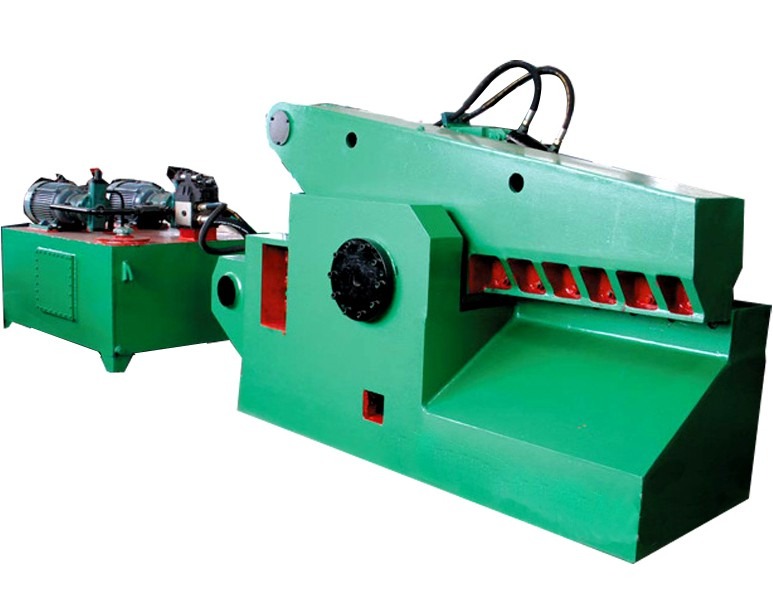
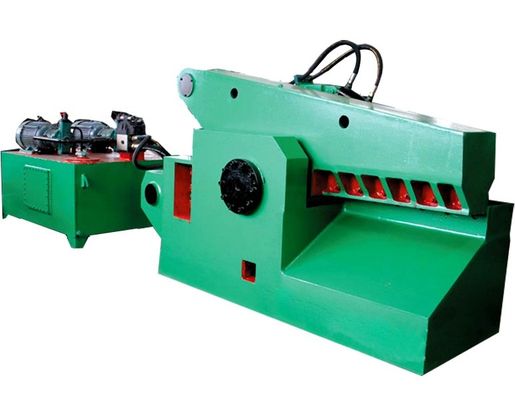
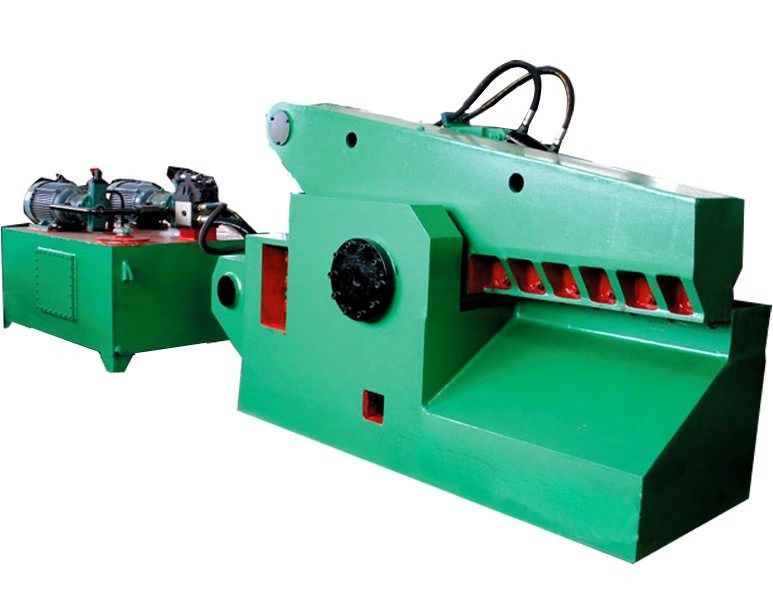
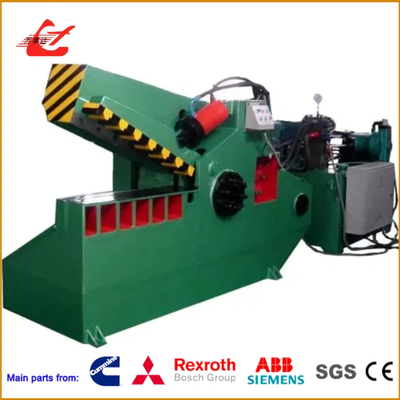
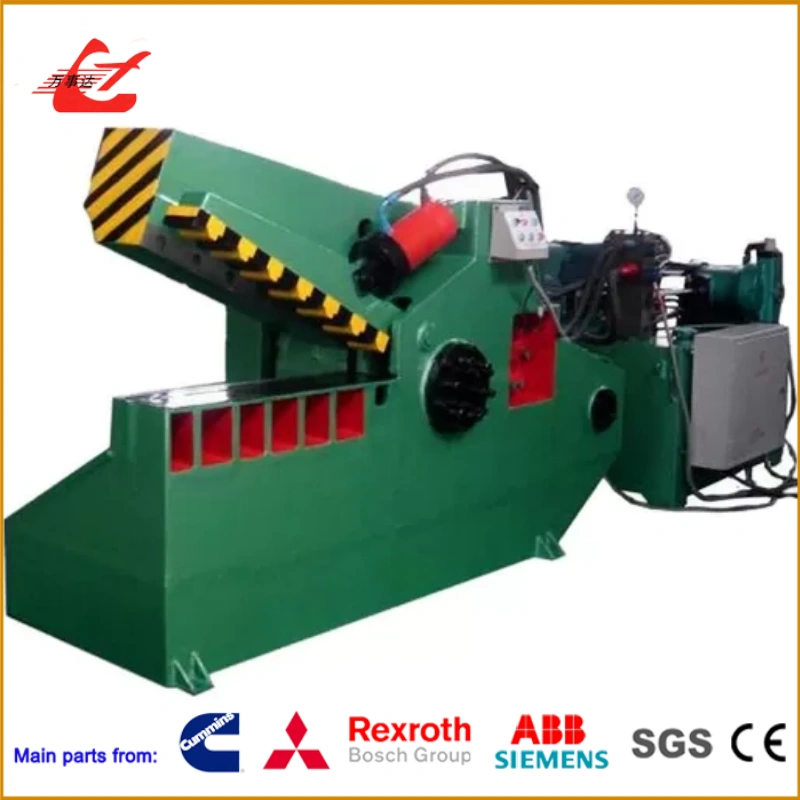
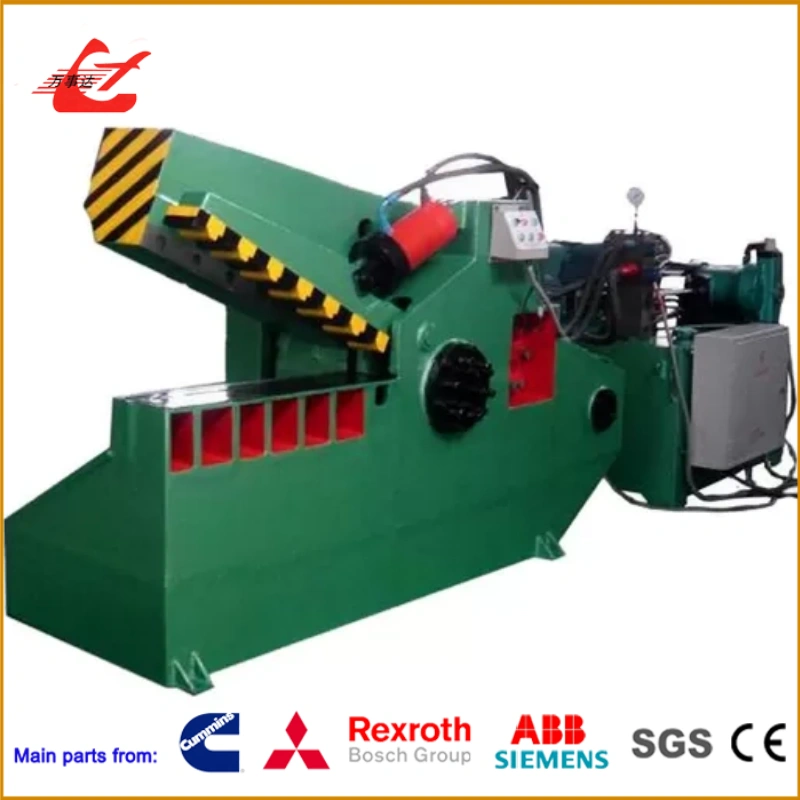
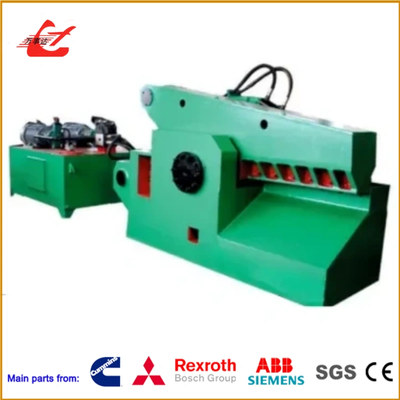
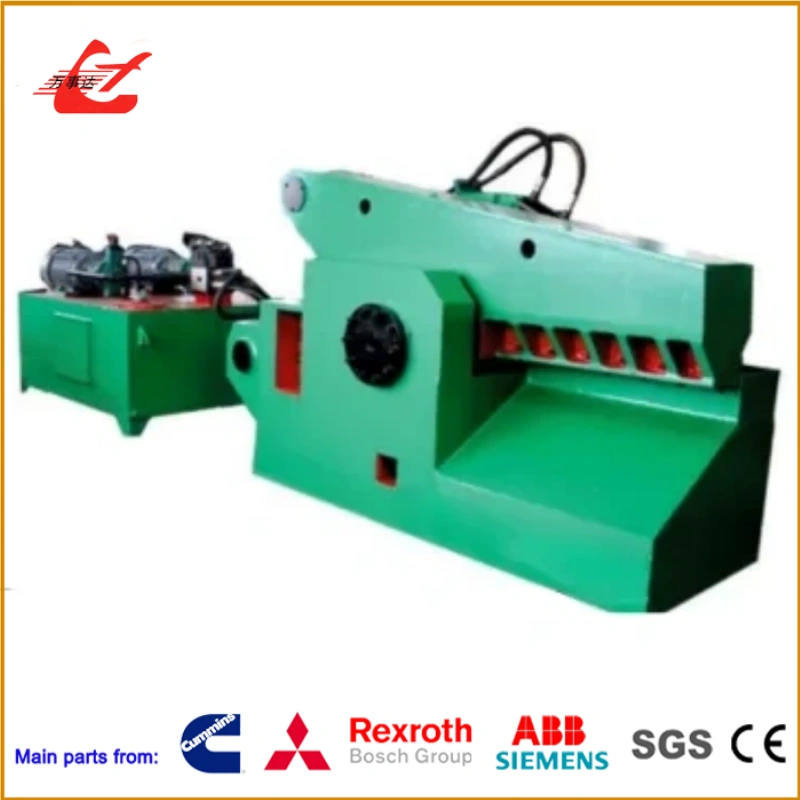
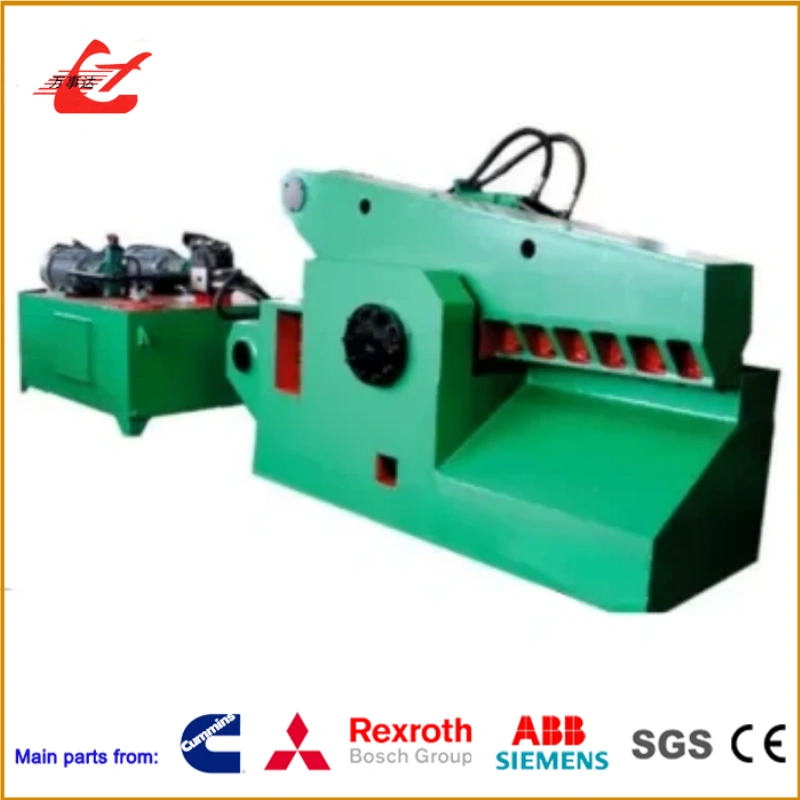
The WANSHIDA Q43-2500 alligator shear is a hydraulic metal cutting machine designed to turn long bars, steel profiles, and production offcuts into manageable scrap. With 2500 kN shearing force, a 1000 mm blade, and a maximum blade opening of 285 mm, it combines cutting power with accessible material positioning for recycling yards and metalworking facilities.
A dedicated hydraulic holding mechanism helps stabilize material during cutting. For buyers handling mixed scrap sizes, this combination supports controlled cutting and convenient repositioning between strokes.
Long, irregular metal scrap creates handling problems before it reaches the next processing stage. It can obstruct storage areas, complicate loading, and require repeated preparation.
Relying on thermal cutting for routine sectioning also adds cutting-gas consumption and preparation time. A suitable hydraulic scrap shear provides a mechanical cutting method for repetitive scrap processing.
A long blade for flexible positioning: The 1000 mm cutting blade provides working length for positioning different scrap shapes. Combined with the 285 mm maximum opening, it helps accommodate varied feedstock within the machine’s rated capacity.
Material holding during the cut: An 80 kN holding force helps restrain the workpiece as the blade closes, supporting a more controlled cutting process.
Adjustable workflow around incoming scrap: A specified cutting frequency of 8–16 cycles per minute supports repeated sectioning. Actual output depends on feeding speed, material dimensions, and the number of cuts required.
Mechanical cutting without cutting gas: Hydraulic shearing separates suitable metal directly, reducing reliance on gas cutting for everyday scrap preparation.
| Parameter | Q43-2500 |
|---|---|
| Maximum shearing force | 2500 kN |
| Maximum holding force | 80 kN |
| Blade length | 1000 mm |
| Maximum blade opening | 285 mm |
| Cutting frequency | 8–16 cycles/min |
| Listed cutting capacity* | 70 × 70 mm square section or Ø80 mm round section |
| Hydraulic working pressure | 21 MPa |
| Approximate machine weight | 4.2 tonnes |
Cutting capacity must be verified for the actual material grade and strength.
Material is positioned between the open blades. The hydraulic holding mechanism restrains the workpiece, and the cutting cylinder drives the moving blade toward the fixed blade. After separation, the blade reopens for the next feeding cycle.
Start with your largest material cross-section and material grade. Then assess daily volume, required cut length, and feeding arrangements.
Share material photos, dimensions, target output, and site electrical details with WANSHIDA to confirm whether the Q43-2500 matches your operation.
The specification lists Ø80 mm round material but does not identify the material grade. Stainless steel capacity requires separate confirmation before ordering.
No. It describes the maximum blade opening. Cutting capacity depends on material strength, cross-section, and positioning within the jaw.
Cycle frequency alone does not determine tonnage. Piece weight, feeding time, and cuts per piece all affect output. Representative material details are needed for a realistic estimate.
Routine checks include blade condition and clearance, lubrication, hydraulic oil condition, and hose connections. Follow the operating manual for maintenance intervals and procedures.
Send material photos, grade, maximum dimensions, required output, and available voltage and frequency. These details help confirm cutting suitability and the electrical configuration.