Leave a Message
We will call you back soon!
Your message must be between 20-3,000 characters!
Please check your E-mail!
More information facilitates better communication.
Submitted successfully!
We will call you back soon!
Leave a Message
We will call you back soon!
Your message must be between 20-3,000 characters!
Please check your E-mail!
| Place of Origin: | China |
|---|---|
| Brand Name: | Wanshida |
| Certification: | CE, ISO9001 |
| Model Number: | Q43-2500 |
| Minimum Order Quantity: | 1SET |
| Price: | Contact us |
| Packaging Details: | Sea worthy |
| Delivery Time: | 25 days |
| Payment Terms: | L/C,T/T |
| Supply Ability: | 30sets/month |
| Model: | Q43-2500 | Frequency Per Minute: | 8~16times |
|---|---|---|---|
| Table Height: | 740mm | Power: | 2*15kw |
| Shearing Force: | 250tons | Shear Knife Length: | 1000mm |
| Stroke Of Cut Cylinder: | 210mm | Max Cutting Force: | 70*70mm Or 80mm Diameter |
| Highlight: | Waste Management Industrial Baler Machine,High Pressure Industrial Baler Machine,Low Noise Industrial Baler Machine |
||
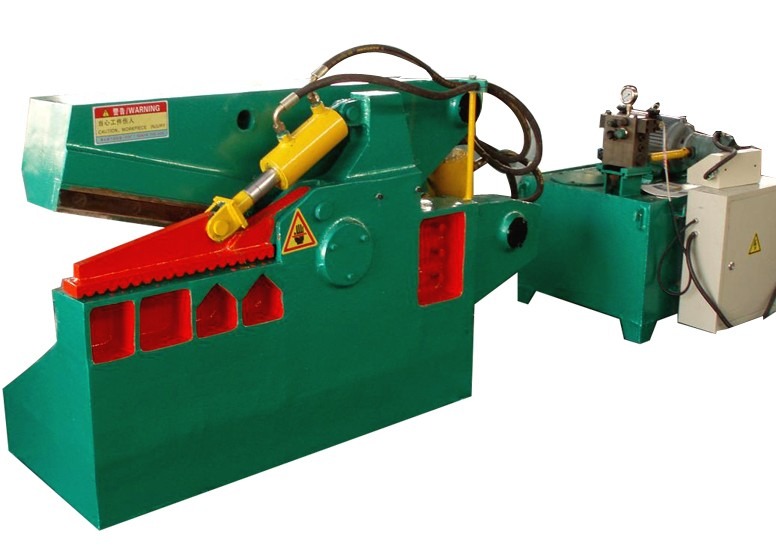
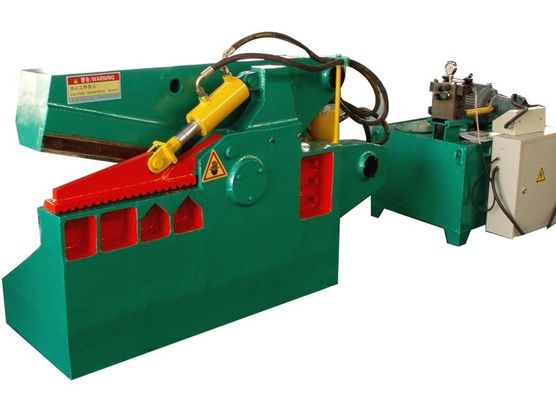
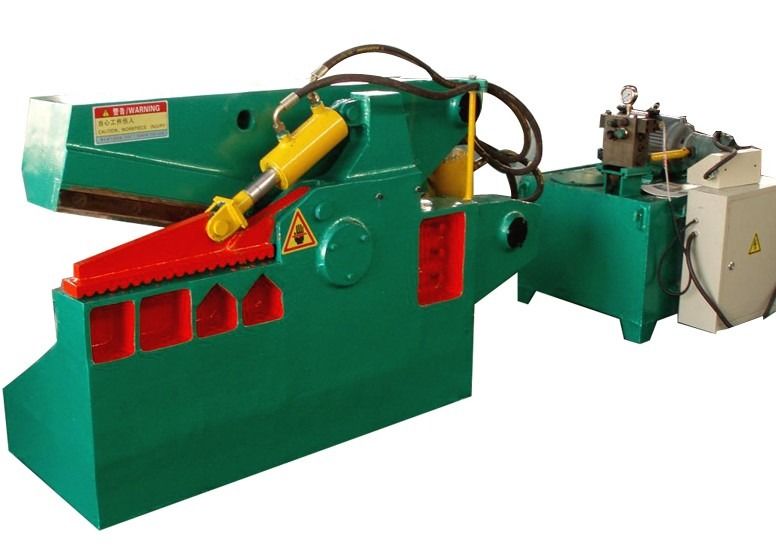
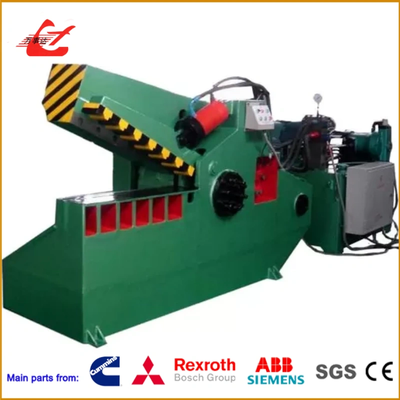
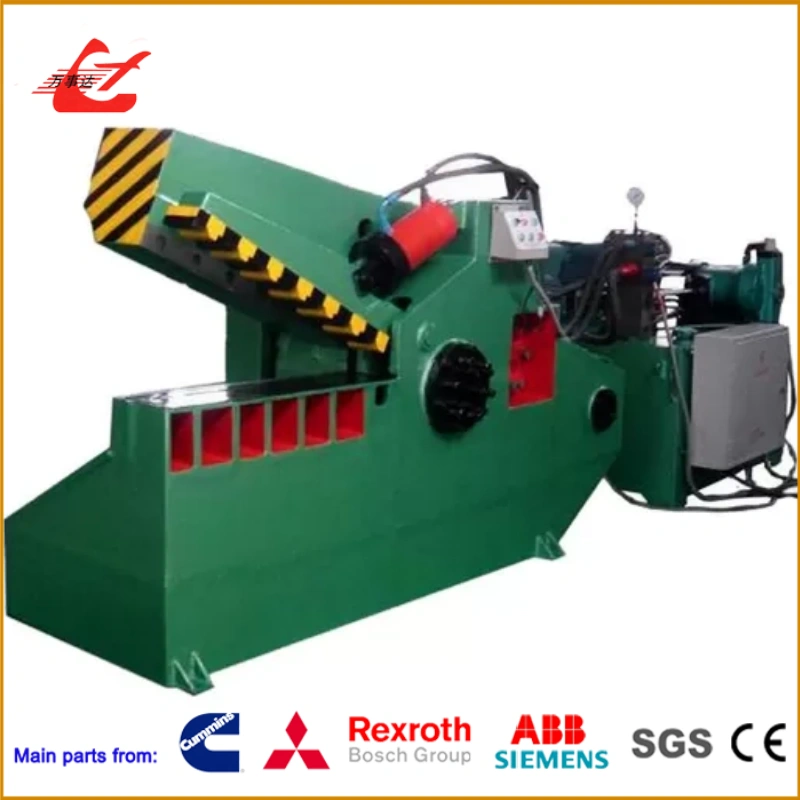
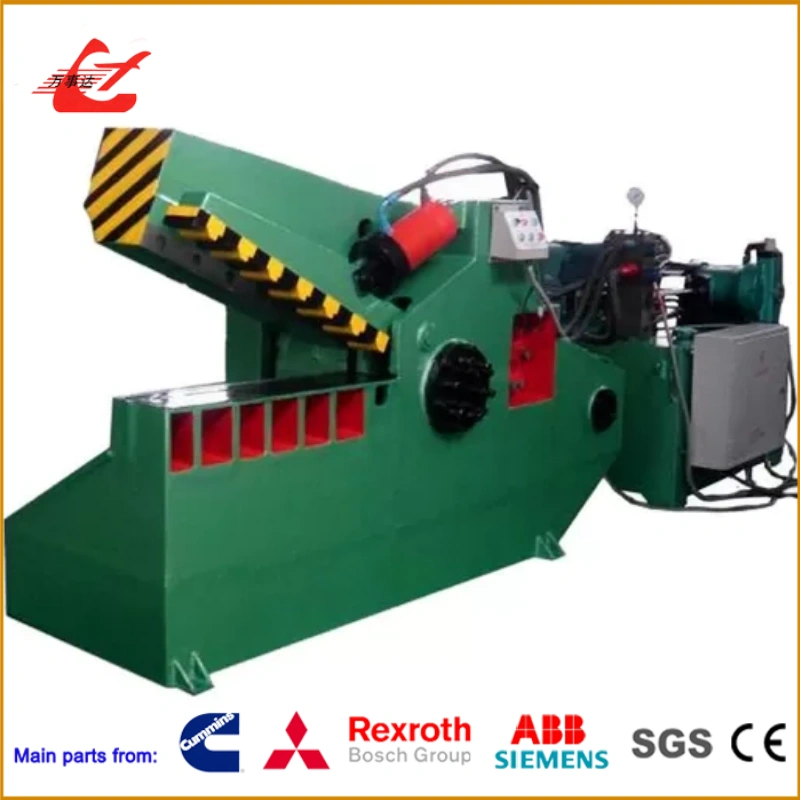
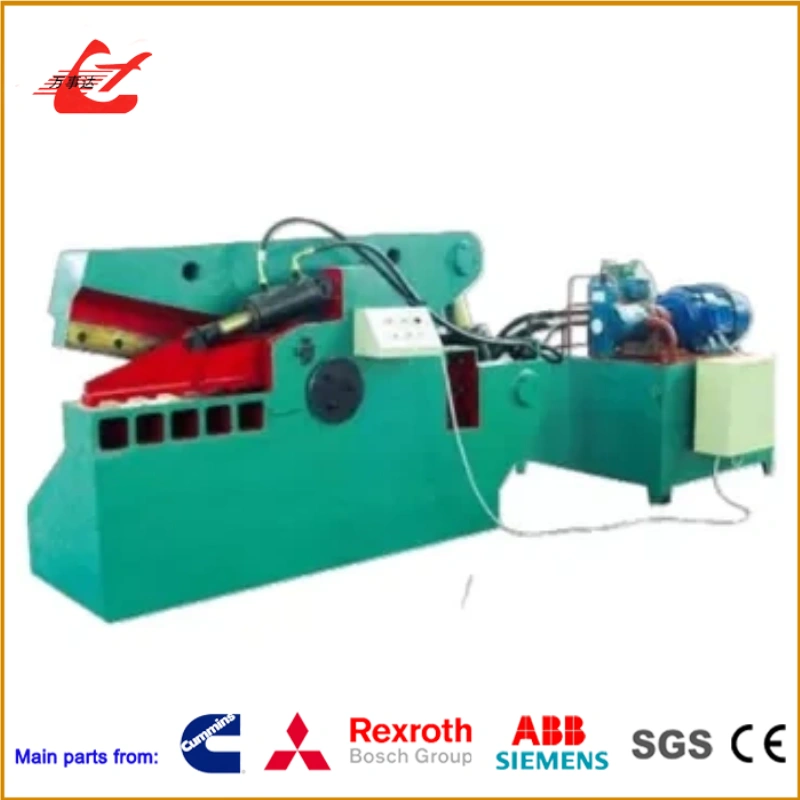
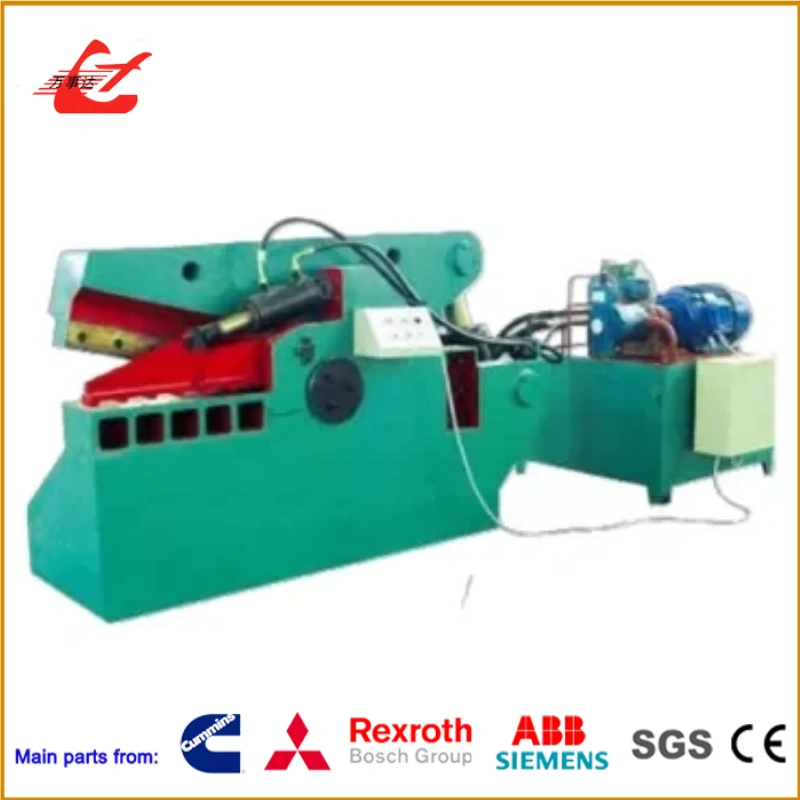
The WANSHIDA Q43-2500 alligator shear helps fabrication workshops and scrap processors manage metal offcuts where they accumulate. By cutting long or awkward pieces into shorter sections, it supports easier collection, sorting, and preparation for recycling.
Featuring 2500 kN shearing force and a 1000 mm blade, this hydraulic scrap shear suits operations handling varied bar and profile offcuts. Its value extends beyond cutting: processing scrap before it reaches the storage area can reduce repeated handling and keep material moving through the workshop.
Scrap handling is an easily overlooked production cost. Long offcuts protrude from collection bins, irregular profiles are difficult to stack, and mixed lengths complicate loading. Employees may handle the same material several times before it leaves the facility.
For workshops generating scrap throughout the day, a dedicated cutting station can make collection and dispatch more organized.
Prepare scrap closer to its source. Integrating the Q43-2500 into the scrap collection workflow allows suitable offcuts to be shortened before storage. More manageable pieces can be easier to place in bins and transfer between processing areas.
Organize material by grade. Processing separately sorted batches helps keep different metal grades apart. This supports clearer inventory management and preparation for buyers with specific scrap requirements.
Accommodate changing offcut shapes. The 1000 mm blade and 285 mm maximum opening provide access for positioning varied materials within the rated cutting capacity. Operators can reposition longer pieces for successive cuts.
Hold material during shearing. The dedicated 80 kN hydraulic holding mechanism helps restrain the workpiece as the blade closes, supporting controlled cutting of suitable scrap.
| Parameter | Q43-2500 |
|---|---|
| Maximum shearing force | 2500 kN |
| Blade length | 1000 mm |
| Maximum blade opening | 285 mm |
| Maximum holding force | 80 kN |
| Cutting frequency | 8–16 cycles/min |
| Listed cutting capacity* | 70 × 70 mm square section or Ø80 mm round section |
| Approximate weight | 4.2 tonnes |
Material grade and strength must be confirmed when assessing cutting capacity.
The workpiece is positioned in the cutting area and restrained by the hydraulic holding mechanism. The moving blade closes against the fixed blade to shear the material, then reopens for the next cycle. Repositioning determines the length of successive pieces.
Consider the entire scrap route: where material is generated, how it reaches the shear, and how cut pieces are collected.
Provide material grades, maximum cross-sections, typical lengths, and daily volumes. Confirm electrical requirements and allow sufficient space for feeding long stock, collecting cut pieces, and maintenance access.
Shorter pieces may improve loading arrangements when long or irregular scrap wastes container space. Actual savings depend on scrap shape, loading practices, and whether shipments are limited by volume or weight.
Cut length depends on material positioning. If repeatable lengths are essential, discuss a suitable measuring or positioning arrangement before ordering.
Different grades require separate capacity assessment. Keep batches sorted and confirm suitability, particularly for stainless steel or high-strength materials.
Consider electricity, labor, blade wear, maintenance, and material handling. Feeding and collection arrangements strongly influence how much scrap can be processed during a shift.
Send photos and dimensions of your typical and largest pieces, together with material grades and daily volume. These details allow WANSHIDA to assess the application and discuss representative cutting verification.