Leave a Message
We will call you back soon!
Your message must be between 20-3,000 characters!
Please check your E-mail!
More information facilitates better communication.
Submitted successfully!
We will call you back soon!
Leave a Message
We will call you back soon!
Your message must be between 20-3,000 characters!
Please check your E-mail!
| Place of Origin: | China |
|---|---|
| Brand Name: | Wanshida |
| Certification: | ISO9001,CE |
| Model Number: | Y83-315 |
| Minimum Order Quantity: | 1 |
| Price: | Negotiation |
| Packaging Details: | Sea worthy |
| Delivery Time: | 45days |
| Payment Terms: | L/C,T/T |
| Supply Ability: | 20sets/month |
| Model: | Y83-315 | Nominal Pressing Force: | 3150 KN / 315 Tons |
|---|---|---|---|
| Operation Mode: | Manual/Automatic | Voltage: | Customized According To Local Standards |
| Bale Discharge Method: | Hydraulic Turn-Out | Blade Material: | High-strength Alloy Steel |
| Bale Dimensions: | 500 × 600 Mm Or 600 × 600 Mm | Processing Capacity Approximately: | 4000–5000 Kg/h |
| Highlight: | Large Scale Shear Baler,22kW Shear Baler,Powerful Scrap Recycling Shear Baler |
||
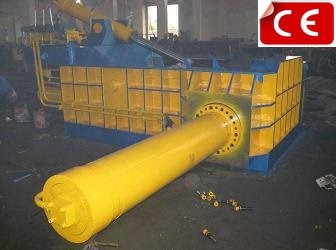
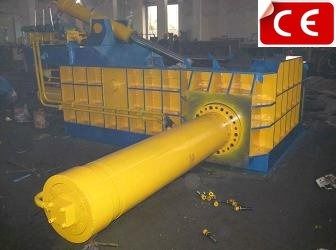
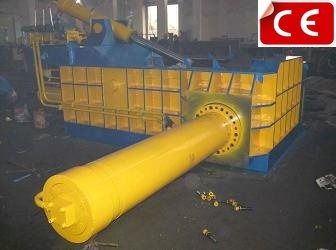
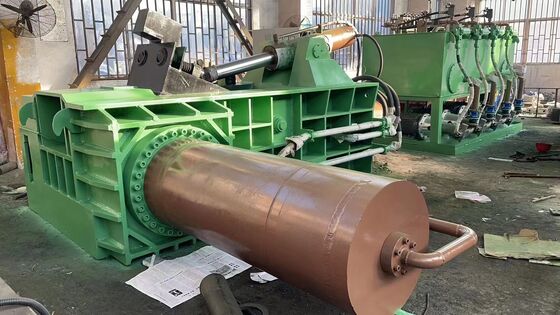
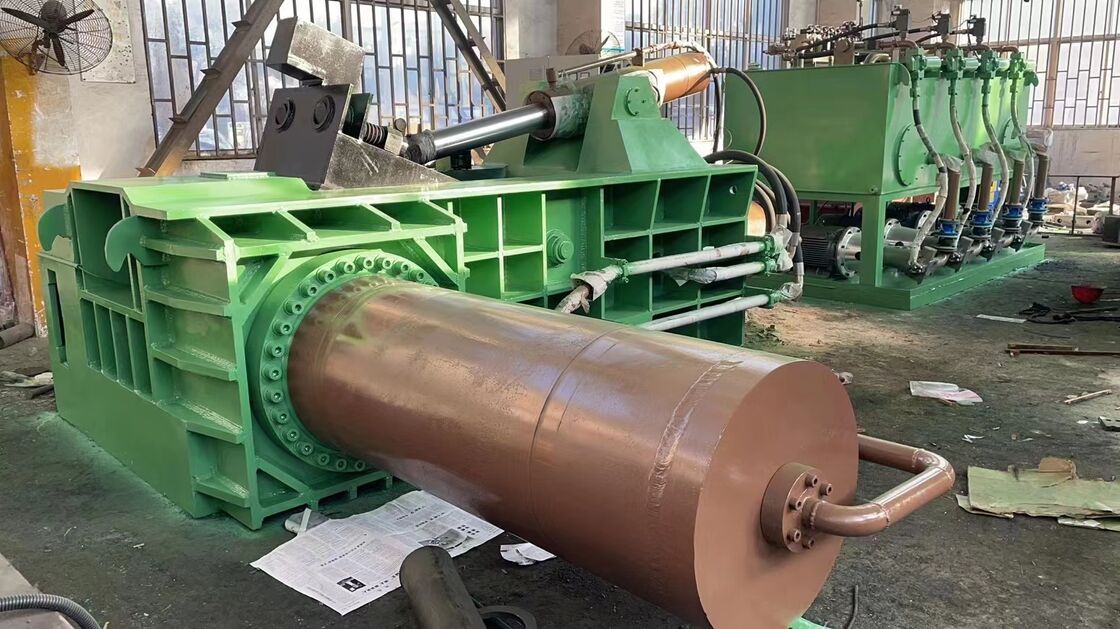
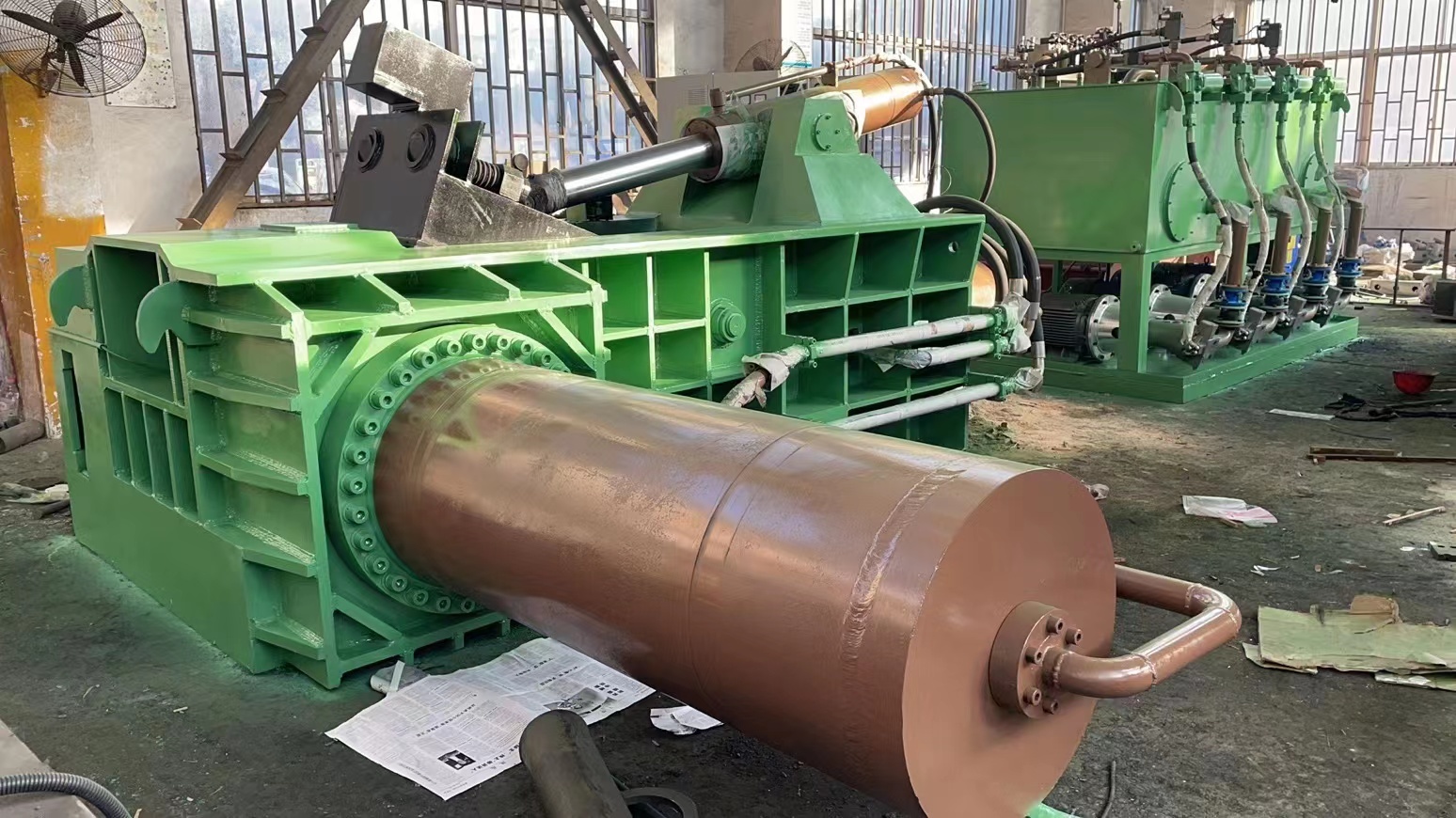
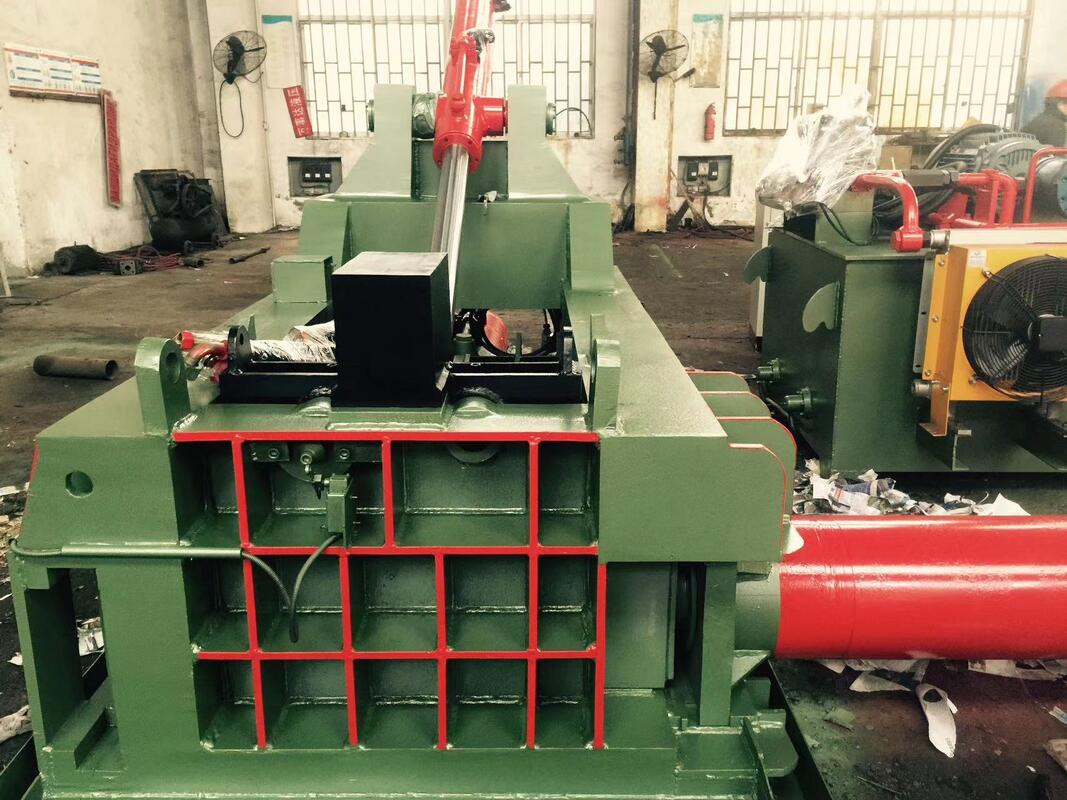
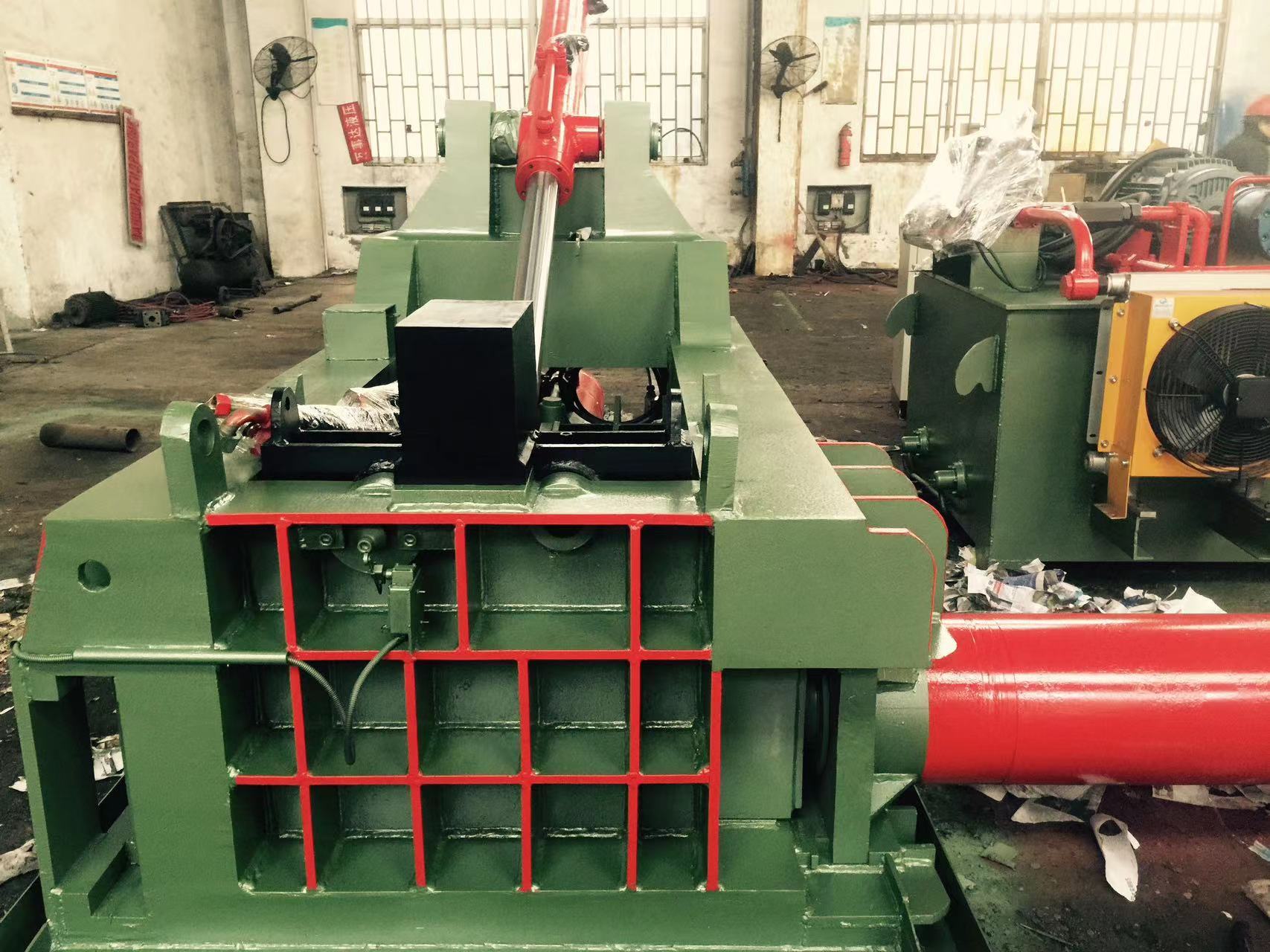
The Y83-315 hydraulic metal baler is a heavy-duty scrap compression machine designed for medium and large metal recycling yards, steel mills, foundries and industrial waste processing facilities. With a nominal pressing force of 3150 kN, it can compress bulky and irregular metal waste into dense, uniform bales for easier storage, transportation and furnace feeding.
Its spacious 2600 × 1750 × 1200 mm compression chamber allows operators to load larger quantities of scrap during each cycle. Compared with smaller metal balers, the Y83-315 requires less material preparation and can accommodate long steel offcuts, sheet metal, automobile body panels, aluminum profiles and mixed industrial scrap.
The machine can produce 500 × 600 mm or 600 × 600 mm bales, with an adjustable bale length of approximately 450–800 mm. Its reference processing capacity reaches 4–5 tons per hour, making it suitable for recycling companies that need higher output without moving to an extremely large, high-energy-consumption baling system.
Major advantages include:
• Powerful 3150 kN hydraulic pressing force
• Large chamber for bulky and mixed metal scrap
• Approximately 4–5 tons per hour processing capacity
• High-density bales for economical transportation
• Flexible bale dimensions for different applications
• Hydraulic turn-out discharge for easier bale removal
• Customizable PLC, voltage and hydraulic configuration
Loose metal scrap is difficult and expensive to manage. Large steel sheets, automobile panels, industrial offcuts and aluminum profiles occupy considerable storage space and cannot be stacked safely or loaded efficiently.
Recycling companies processing several tons of scrap per hour may experience the following problems:
• Low truck and container loading efficiency
• Excessive warehouse and yard occupation
• High labor costs for sorting and handling
• Irregular scrap dimensions for furnace feeding
• Frequent loading cycles when using a small baler
• Limited production capacity during peak collection periods
A machine with insufficient chamber volume may require operators to cut large scrap before loading. This increases labor requirements and slows down the overall recycling process.
The Y83-315 scrap metal baler combines a large loading chamber with 315 tons of hydraulic compression force. It reduces loose and oversized scrap into compact rectangular bales with consistent external dimensions.
During operation, multiple hydraulic cylinders compress the material step by step. Empty spaces between the scrap pieces are removed, creating a dense bale that is easier to lift, stack and transport.
The turn-out discharge system automatically rotates the finished bale out of the compression chamber. This design reduces manual bale removal and prepares the machine quickly for the next loading cycle.
With a reference capacity of 4000–5000 kg per hour, the Y83-315 provides an efficient solution for high-volume scrap yards that require stable productivity and manageable energy consumption.
| Item | Y83-315 Specification |
|---|---|
| Model | Y83-315 Metal Baler |
| Nominal Pressing Force | 3150 kN / 315 Tons |
| Compression Chamber Size | 2600 × 1750 × 1200 mm |
| Bale Dimensions | 500 × 600 mm or 600 × 600 mm |
| Bale Length | Approximately 450–800 mm |
| Bale Density | More Than 1800 kg/m³ |
| Processing Capacity | Approximately 4000–5000 kg/h |
| Main Motor Power | Approximately 74–88 kW |
| Bale Discharge Method | Hydraulic Turn-Out |
| Feeding Method | Crane, Grab or Material Handler |
| Operation Mode | Hand Valve or PLC Semi-Automatic Control |
| Applicable Materials | Steel, Aluminum, Copper and Mixed Metal Scrap |
| Voltage | Customized According to Local Standards |
Technical parameters can be adjusted according to the material type, target bale size and required production capacity.
The Y83-315 hydraulic scrap baler is suitable for:
• Medium and large scrap metal recycling yards
• Steel mills and metal smelting plants
• Automobile dismantling facilities
• Industrial metal processing factories
• Foundries and casting workshops
• Demolition scrap collection centers
• Port and warehouse recycling operations
• Aluminum and non-ferrous metal recycling plants
Typical materials include steel sheets, aluminum profiles, automobile panels, metal drums, reinforcing bars, wires, copper scrap, light structural steel, machinery offcuts and mixed industrial metal waste.
First, the operator loads loose scrap into the large compression chamber using a crane, grab or material handler.
After loading, the chamber cover closes and the main hydraulic cylinders begin compressing the material. The scrap is pressed from different directions until it reaches the preset bale density and dimensions.
Once compression is completed, the chamber opens and the hydraulic turn-out mechanism rotates the finished bale out of the machine.
The bale can then be removed by forklift, crane or material handler. With PLC semi-automatic control, the compression and discharge sequence can be completed with fewer manual operating steps.
Buyers should consider the following points before selecting the Y83-315:
Daily processing volume: This model is suitable for recycling facilities targeting approximately 4–5 tons per hour.
Material dimensions: The large chamber is ideal for bulky sheet metal, profiles and automobile scrap that would be difficult to load into a smaller baler.
Material strength: Thick structural steel may require cutting or a higher-force machine, while light and medium scrap can normally be compressed directly.
Required bale size: The 500 × 600 mm bale is compact and convenient for handling, while the 600 × 600 mm option can accommodate more material per bale.
Loading equipment: Due to the chamber size and machine capacity, crane or mechanical grab feeding is recommended.
Control preference: Hand-valve control offers simple maintenance, while PLC control improves cycle consistency and operating convenience.
1. What materials can the Y83-315 metal baler process?
It can compress steel sheets, aluminum profiles, automobile body panels, metal drums, wires, copper scrap, light structural steel and mixed industrial offcuts. Extremely thick or oversized materials may require pre-cutting.
2. What is the actual production capacity?
The reference capacity is approximately 4000–5000 kg per hour. Actual output depends on scrap density, material size, feeding efficiency, operator experience and the selected bale dimensions.
3. How heavy is each finished bale?
Bale weight is not fixed because steel, aluminum and mixed scrap have different densities. The final weight also depends on the bale length and the amount of material loaded during each cycle.
4. Does the machine require a concrete foundation?
A stable and level reinforced concrete foundation is recommended because of the machine’s pressing force, weight and operating vibration. A foundation drawing can be supplied before installation.
5. What information should be provided before ordering?
Please provide material photos or videos, maximum scrap dimensions, estimated daily output, preferred bale size, local voltage and feeding method. These details allow the hydraulic system, motor power and chamber configuration to be confirmed accurately.