
Leave a Message
We will call you back soon!
Your message must be between 20-3,000 characters!
Please check your E-mail!
More information facilitates better communication.
Submitted successfully!
We will call you back soon!
Leave a Message
We will call you back soon!
Your message must be between 20-3,000 characters!
Please check your E-mail!
| Place of Origin: | China |
|---|---|
| Brand Name: | Wanshida |
| Certification: | ISO9001,CE |
| Model Number: | Y83-160 |
| Minimum Order Quantity: | 1SET |
| Price: | Negotiation |
| Packaging Details: | Seaworthy packing |
| Delivery Time: | 25-35 days |
| Payment Terms: | T/T,L/C |
| Supply Ability: | 30sets/month |
| Model: | Y83-160 | Control System: | PLC |
|---|---|---|---|
| Bale Density: | >1800kg/m3 | Capacity: | 2000-3000 Kg/h |
| Cycle Time: | <150 Seconds | Voltage: | 380V/50Hz |
| Bale Discharge Method: | Turn-out Bale Discharge | Bale Size: | (400-600)*350*350 Or (400-600)*400*400 |
| Highlight: | 160 ton hydraulic metal baler,energy efficient metal baler machine,large compression chamber metal baler |
||
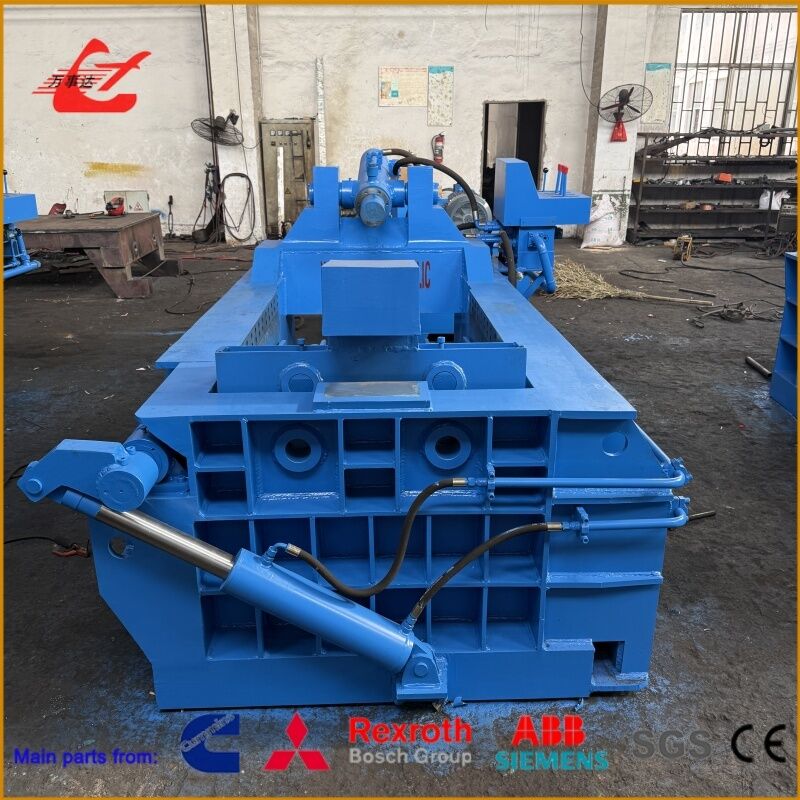
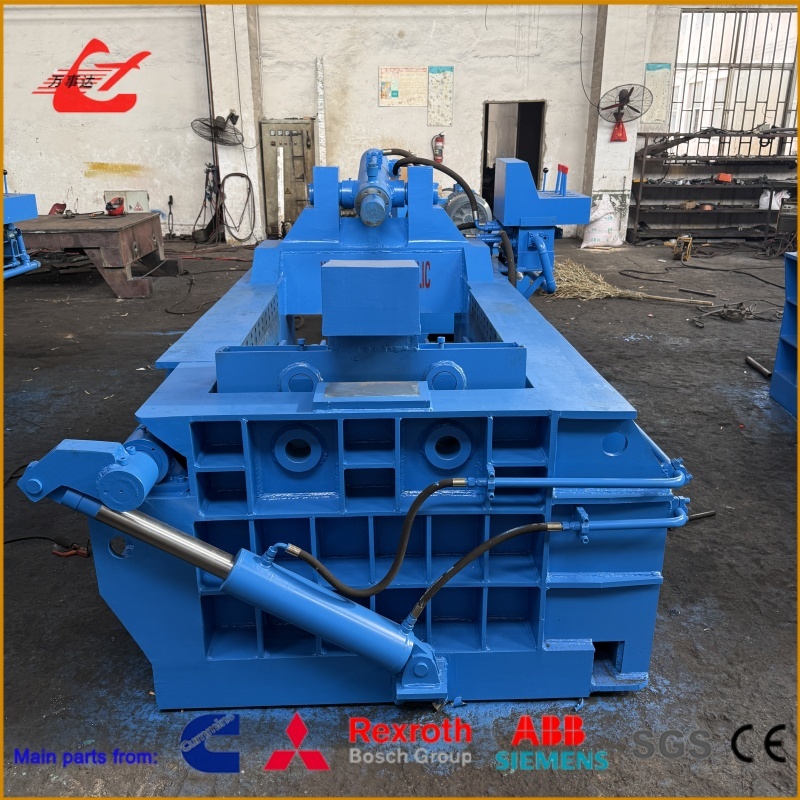
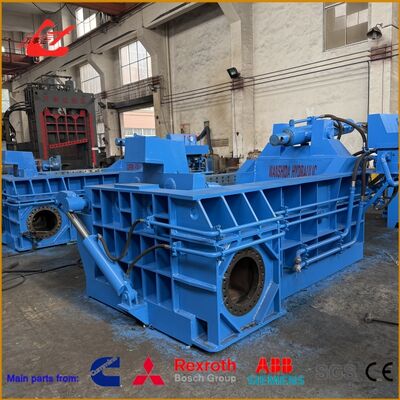
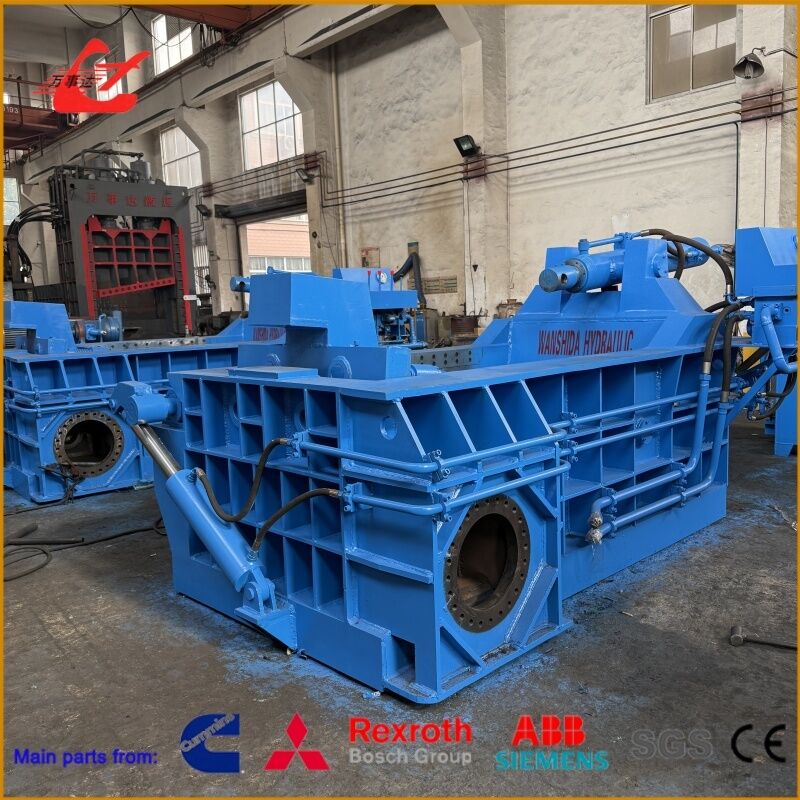
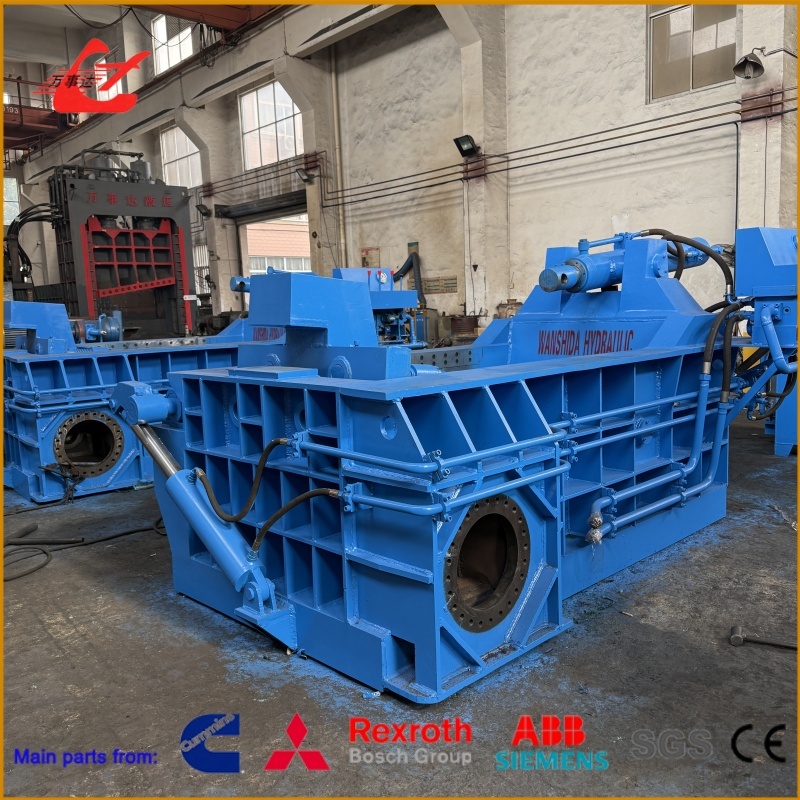
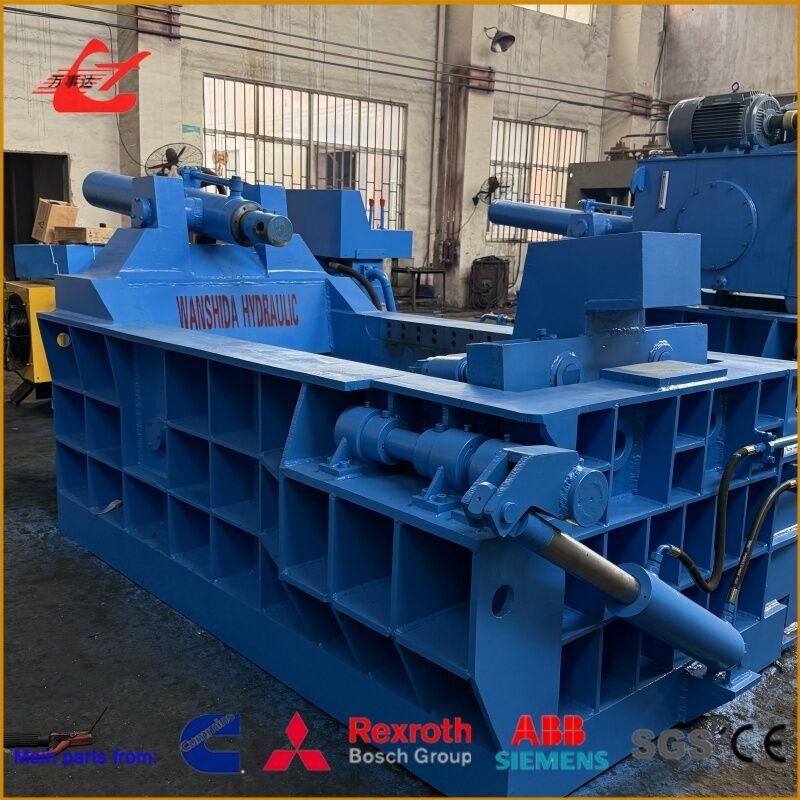
The Y83-160 hydraulic metal baler is a medium-duty scrap compression machine designed to convert loose metal waste into dense, uniform bales. With a nominal pressing force of 1600 kN, a large 1600 × 1000 × 800 mm compression chamber, and a processing capacity of approximately 2,000–3,000 kg per hour, this machine is ideal for scrap yards, metal recycling plants, steel mills, foundries, and metal processing workshops.
The machine can process various recyclable metals, including light steel scrap, aluminum profiles, copper scrap, metal sheets, cans, wires, stainless steel offcuts, and production waste. After compression, loose materials are formed into compact bales that are easier to store, transport, load, and remelt.
Compared with smaller balers, the Y83-160 provides a practical balance between pressing force, chamber size, energy consumption, and production capacity. It is especially suitable for recyclers that require stable daily production without investing in an oversized heavy-duty baling system.
Loose scrap metal creates several operational problems for recycling companies.
Uncompressed scrap occupies a large amount of storage space, increases loading difficulty, and reduces truck or container utilization. Irregular metal waste can also make workshop management less efficient and may increase labor requirements during sorting, handling, and transportation.
For foundries and steel mills, loose scrap is also more difficult to feed into furnaces consistently. Different shapes and sizes may affect loading efficiency and material management.
These challenges often lead to:
• High transportation costs
• Low container loading efficiency
• Large storage requirements
• Increased manual handling
• Difficult scrap classification
• Inefficient furnace feeding
The Y83-160 scrap metal baler solves these problems by using hydraulic pressure to compress loose metal waste into dense rectangular bales.
Its large feeding chamber allows operators to load bulky and irregular scrap materials more conveniently. The 1600 kN hydraulic pressing system delivers strong and stable compression, helping increase bale density and reduce material volume.
The machine can produce bales in different cross-sectional sizes, including 350 × 350 mm or 400 × 400 mm, depending on the buyer’s recycling, transportation, and furnace-feeding requirements.
Key advantages include:
• Strong 160-ton-class pressing force
• Large-capacity compression chamber
• Bale density above 1,800 kg/m³
• Reduced scrap storage volume
• Lower transportation and loading costs
• Stable hydraulic system
• Simple operation and maintenance
• Customizable voltage, control system, and bale size
| Item | Specification |
|---|---|
| Model | Y83-160 Hydraulic Metal Baler |
| Nominal Force | 1600 kN |
| Compression Chamber Size | 1600 × 1000 × 800 mm |
| Bale Size | 400–600 × 350 × 350 mm or 400–600 × 400 × 400 mm |
| Bale Density | More than 1800 kg/m³ |
| Production Capacity | 2000–3000 kg/h |
| Single Cycle Time | Less than 150 seconds |
| Motor Power | 30 kW |
| Bale Discharge Method | Turn-out bale discharge |
| Operation Mode | Hydraulic valve control or optional PLC control |
| Applicable Materials | Steel, aluminum, copper, stainless steel, cans, sheets, wires and metal offcuts |
The Y83-160 metal recycling baler can be used in a wide range of scrap processing environments.
Typical applications include:
• Scrap metal recycling yards
• Steel mills and foundries
• Aluminum profile factories
• Automotive parts plants
• Metal stamping workshops
• Electrical cable recycling facilities
• Machinery manufacturing factories
• Waste material collection centers
The machine is suitable for compressing lightweight and medium-density metal scrap. For extremely thick steel plates, complete car bodies, or heavy structural scrap, a larger model may be more suitable.
First, the operator loads loose metal scrap into the compression chamber. After the chamber is filled, the hydraulic cover and pressing cylinders begin operating.
The material is compressed from different directions inside the chamber. Under high hydraulic pressure, irregular scrap is gradually formed into a dense rectangular bale.
Once the compression cycle is completed, the bale is discharged by the turn-out mechanism. The finished bale can then be moved by forklift, crane, or conveyor for storage, transport, or furnace feeding.
The hydraulic system is designed to provide stable pressure during the entire baling process. Depending on the buyer’s requirements, the machine can be equipped with manual valve control, PLC control, remote control, oil cooling, or customized safety protection.
Before selecting the Y83-160 hydraulic scrap baler, buyers should evaluate the following factors:
Material type: Confirm whether the machine will process steel, aluminum, copper, cans, wire, sheets, or mixed metal scrap.
Daily capacity: The Y83-160 is suitable for buyers requiring approximately 2–3 tons of hourly processing capacity under suitable feeding conditions.
Scrap size: Oversized or long materials may need to be cut before baling.
Required bale size: Choose 350 × 350 mm or 400 × 400 mm bale sections according to transport and furnace requirements.
Operation method: Manual hydraulic control is economical and reliable, while PLC control provides easier and more automated operation.
Power supply: Voltage and frequency can be customized according to local industrial standards, such as 380V 50Hz, 400V 50Hz, 415V 50Hz, or 440V 60Hz.
It can process light steel scrap, aluminum profiles, copper scrap, stainless steel offcuts, metal sheets, wires, cans, and various production waste materials. The exact capacity depends on the material type, size, and density.
The typical processing capacity is approximately 2,000–3,000 kg per hour. Actual output may vary depending on feeding speed, operator efficiency, scrap density, and material composition.
Yes. Standard bale sections include 350 × 350 mm and 400 × 400 mm. Other dimensions can be evaluated according to the buyer’s transportation or furnace requirements.
Yes. The machine can be supplied with manual hydraulic valve control or an optional PLC control system. Remote control and additional safety devices are also available.
Please provide the scrap material type, maximum material size, expected daily capacity, preferred bale size, local voltage, and destination port. This information allows us to recommend the most suitable machine configuration and prepare an accurate quotation.